Owner operators have an entirely different view of their trucks compared to just flat tools — it is a complete trucking business for them. For an owner operator, the truck is the only income-producing asset, not a backup resource.
Interruptions in vehicle availability automatically affect the owner’s personal income and the stability of the business in the long run.
Every mile you drive brings you income, but every hour the commercial truck remains idle, it takes away profit from you. Drivers usually know very well about the high costs of being stranded by mechanical problems and accidents, yet it is only a few who acknowledge how much they have really lost due to other factors than the repair mandates. Downtime is something that doesn’t show its whole fee from the start. It works in silence as time goes on, leading to missed loads, business losses, and not being able to get back to work as usual.
Truck downtime is not just a truck parked idly.
In fact, truck downtime most often starts well before a truck is obviously disabled on the side of the road.
It also includes delays in parts delivery, waiting in a queue at a repair shop, or, sometimes, repairing malfunctioning vehicles through time-consuming insurance claims that keep the vehicle out of service. For owner-operators, these disguised losses, in many cases, exceed the apparent costs and have a direct influence on long-term trucking expenditure.
In this article, I will reveal where the owner-operators’ main money sink caused by downtime is — and why prevent downtime thinking is not only maintenance-related, but a business survival strategy.
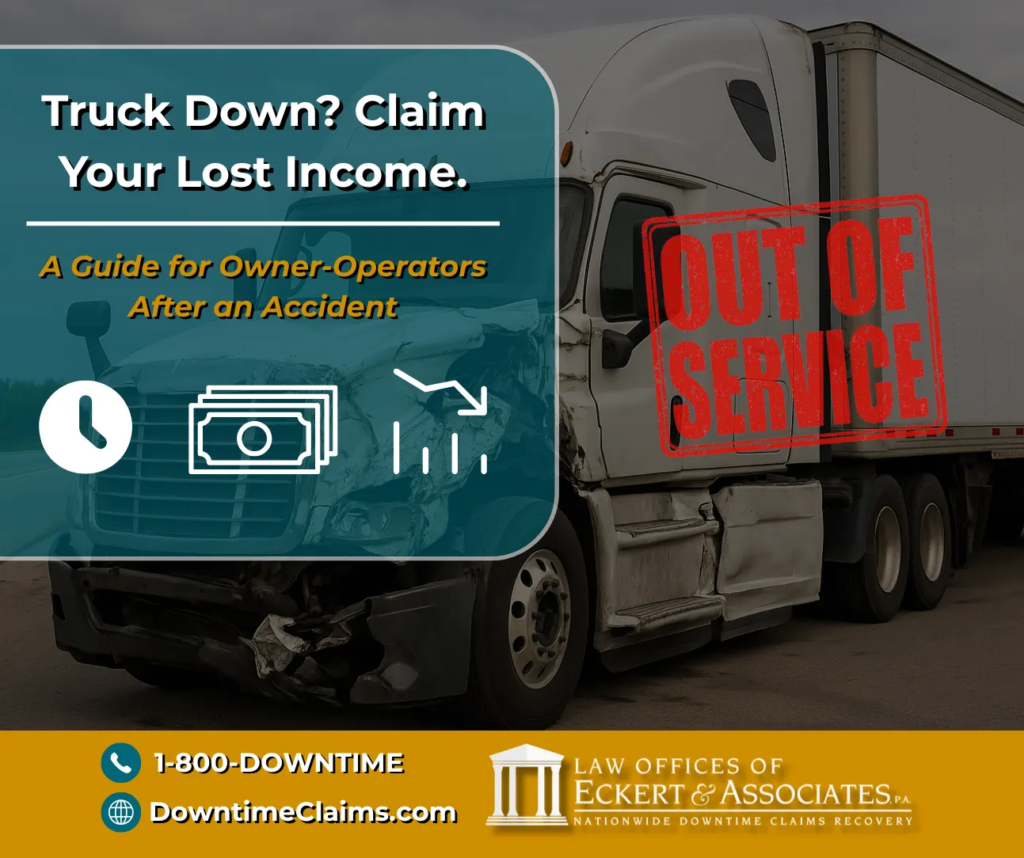
When the Truck Is Not Driving, There Is No Movement
The relation between profit and travel in transportation is a straight one. An available truck yields zero income when not moving, while expenses continue to be paid.
The truck being tied up not moving continues to incur fixed costs and provides no yield at all — a truck not rolling still accumulates obligations without generating revenue.
Insurance premiums, truck payments, permits, and personal living costs do not stop at the door because the truck is not rolling.
Truck downtime removes daily income and creates a gap where expenses keep coming, compounding lost earnings.
Killing Downtime: The Real Cost of Letting Trucks Sit Still!
Many owner-operators who are new in the business usually do not calculate this loss of use, however, in the long run, it becomes one of the most destructive financial leaks in the company.
Infrequent downtime causes long-term disruption. When dispatchers cannot find loads during peak periods, delayed pick-ups, rerouted deliveries, and unstable dispatcher relationships reduce access to freight and weaken the overall operation.
Lost Income Resulting from Unattended Loads
Missed loads are the most visible and fastest form of lost income.
Eventually, constant blowbacks pile up into overall missed revenue, not just singular obstacles.
When a truck is forced off the road due to a breakdown, freight is often diverted. Frequently, the bypassed loads do not come back at a later stage when the truck is driving again.
For owner-operators running spot freight, financial losses during downtime often align with peak seasonal rates. Repeated absences reduce confidence among brokers and shippers, creating instability in future freight flow.
Lost revenue goes beyond the value of one missed load. It also includes:
- Lost backhaul opportunities
- Disrupted routing efficiency
- Reduced weekly mileage totals
- Lower revenue consistency
Once the freight rhythm is broken, it may take weeks to rebuild it.
Repair Costs vs. Downtime Costs
Most drivers tend to focus only on repair costs such as labor, parts, and shop invoices.
Repair costs are usually fixed, while downtime costs are open-ended.
| Cost Type | Repair Cost | Downtime Cost |
| Nature of expense | One-time, clearly defined | Ongoing and cumulative |
| Visibility | Seen immediately on invoices | Often unnoticed at first |
| Duration | Ends when repair is completed | Extends with every idle day |
| Typical impact | $2,000–$5,000 per repair | $5,000–$15,000+ in lost revenue |
| Business effect | Short-term cash hit | Long-term operational damage |
Although maintenance costs do matter, they represent only part of the overall financial damage.
Downtime multiplies every repair expense. A fix delayed due to parts shortages or shop congestion can increase financial loss two or three times over due to lost operating days.
Downtime is often extended by:
- Waiting for specialized components
- Limited shop availability
- Diagnostic delays
- Rework from rushed repairs
Reactive repairs almost always result in higher total trucking expenses than planned service work.
Idle Costs and Passive Expenses
Trucks behave like overhead even when parked — they continue consuming money. Long downtime periods increase idling costs, including fuel burn, accelerated wear, and additional service requirements.
At the same time, fixed costs continue:
- Insurance payments
- Equipment financing
- Trailer lease fees
- Parking and storage costs
These passive expenses quietly drain cash flow while the truck remains out of service.
Insurance Claims and Accident Recovery Delays
Accidents introduce another form of costly downtime. Even when repairs are covered, accident recovery is rarely fast. Claims processing, inspections, and approvals often delay repairs far longer than the physical work itself.
Insurance rarely compensates the full loss of use. Even when downtime coverage exists, it often fails to reflect real lost earnings.
Accident-related downtime typically includes:
- Administrative delays
- Vehicle inspections
- Documentation processing
- Rental or replacement challenges
During this period, the trucking business remains stalled.
Equipment Damage Beyond the Obvious
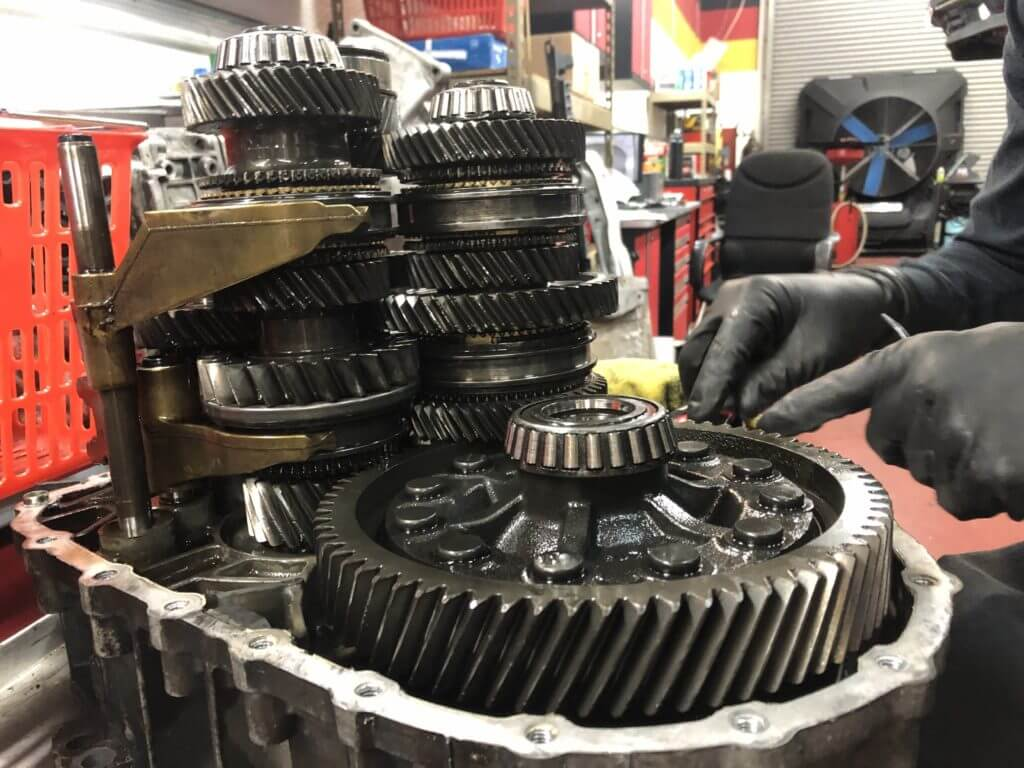
Equipment damage often extends beyond visible failure. One malfunctioning component can trigger failures in other systems, increasing both downtime and repair scope.
Lubrication issues, for example, may simultaneously affect engines, transmissions, and cooling systems, turning a minor defect into extended downtime and major expenses.
Localized damage allows neglected faults to combine, eventually leaving the truck completely immobilized.
The Ripple Effect of Regular Downtime Spiraling Out of Control
Frequent downtime affects more than daily income — it damages reliability perception across the industry.
Long-term consequences include:
- Scarcity of premium loads
- Reduced bargaining power with brokers
- Strained dispatcher relationships
- Higher insurance premiums
- Increased driver turnover in small fleets
Repeated disruptions push many owner-operators out of the market entirely.
Fleet Downtime vs. Owner-Operator Downtime
Fleet downtime is a shared risk across multiple vehicles. Freight can be reassigned and losses absorbed.
Owner-operators do not have that cushion.
One truck out of commission means 100% income loss. There is no secondary asset to offset downtime.
This makes downtime far more dangerous for independent drivers than for large fleets managing fleet downtime collectively.
Eliminate Downtime Through Discipline, Not Just Luck
To minimize downtime, owner-operators must treat maintenance discipline as a core business function rather than a reactive task.
Downtime prevention is not luck — it is about structured processes that prevent downtime before failures occur.
Effective strategies include:
- Planned and scheduled services
- Regular pre- and post-trip inspections
- Immediate reaction to warning signs
- Accurate maintenance logs
Predictability is the goal. A fault detected early is always cheaper than a breakdown on the roadside.
A Mile Not Driven Is the Most Expensive Mile You Never Drove
The hidden expense of downtime lies in opportunities lost — miles not driven, freight not hauled, and profit never earned. For owner-operators, downtime is not merely a mechanical issue; it is a direct threat to business sustainability.
The creeping loss of profit from operational holds, missed opportunities, and extended recovery periods quietly destroys viability. The most successful owner-operators are not those who avoid every breakdown, but those who enforce discipline, plan ahead, and act early to reduce time spent standing still.
FAQ
What exactly does truck downtime mean in terms of an owner-operator truck owner?
Truck downtime refers to any duration in which a commercial truck is not able to operate and generate income. Such situations include roadside breakdowns, waiting for parts, shop backlogs, insurance claim delays, accident-related inspections, and instances when the truck is technically fit to operate but has been declared out of service. In fact, just the time taken for administrative operations such as downloading an e-log can also count as downtime whereas it has nothing to do with mechanical issues of the truck.
What basis is for the question of why downtime harms owner-operators more than fleet drivers?
Owner-operators depend on a sole asset that is 100% and when the truck is off the road, none of the issues they face can stop the cash flow completely. Meanwhile, fleets may choose to rotate loads, shift equipment, or take losses that are spread among the individual vehicles. Owner-operators do not have the flexibility to take such measures, making every hour that their trucks are not running eat into their already critical finances.
What is the speed at which the lost income progresses during the downtime period?
The accumulation of lost income starts at once. The fixed expenses that need to be paid, such as high insurance, loan payments, permits, and costs for living, still accrue daily. In a one to two-day period of time, without continuous driving the targets for weekly mileage can be affected, while longer durations of downtime may cause monthly cash flow and repayment plan disturbances.
Are missed loads always counted as gross losses?
Many times, it is true. The majority of the missed loads are reassigned right away and return to the truck only after repairs are done. Also, having a history of missing loads can mean being assigned in lower priority to brokers or dispatcher, meaning delivering freight of less value or sometimes even not having it at all.
What are the challenges that downtime creates for brokers and dispatchers?
Reliability is the main aspect when assigning freight. The frequent occurrence of downtime is a signal of risk. Dispatchers might refrain from assigning time-sensitive loads while brokers may stop offering premium lanes or lower priority. After some time, the reputation is already damaged and not just the loss of profit that has been suffered.
Why is the downtime cost so frequently higher than repair cost?
The repair cost is always finite and appears to be very clear. On the contrary, the downtime cost is limitless. A $3,000 repair delayed by the lack of parts or the long shop queue can result in $8,000-$12,000 in lost profits, idle expenses, and missed opportunities. The longer the waiting time goes, the more expensive it becomes in the end.