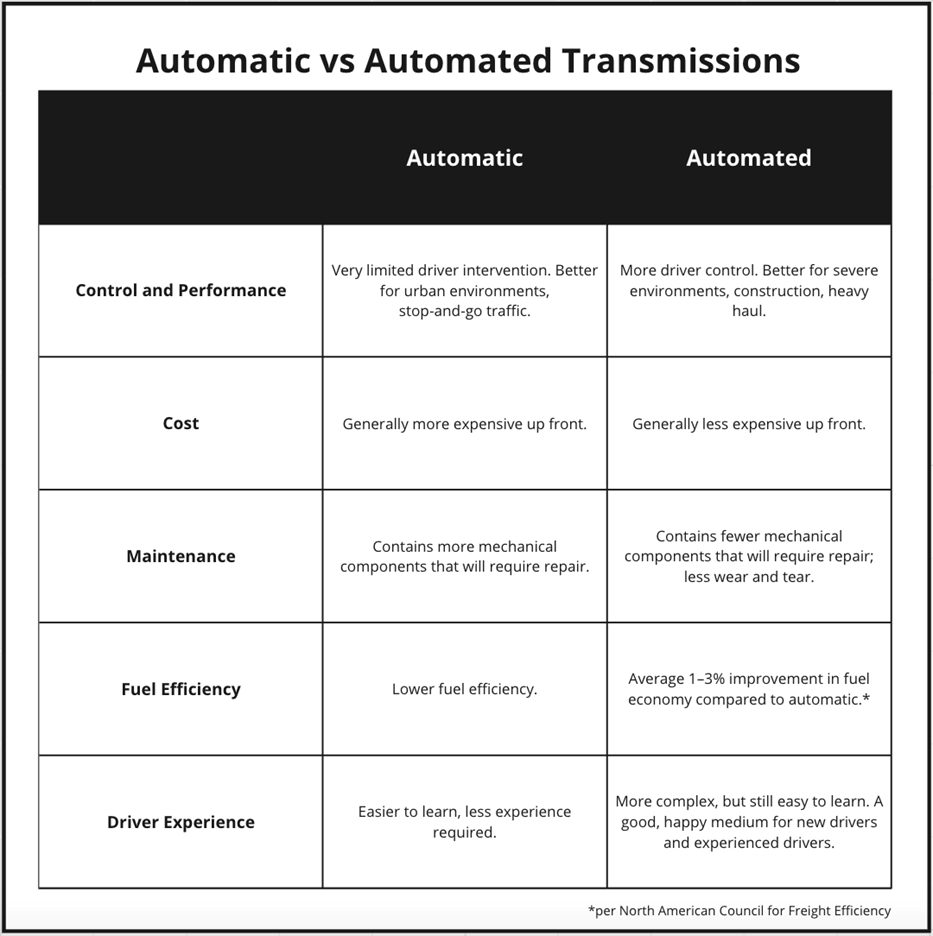
The confrontation of automatic and manual transmissions has experienced a radical metamorphosis in the last decade. What was previously an issue of preference, habit, or pride has now turned into a practically fatigued, safe, and economic discussion — in which three moving factors rule more than any technical detail in modern truck operations.
Traffic has become more crowded, delivery deadlines more stringent, and the amount of time spent driving has gone up. In this scenario, choosing the transmission option is no longer an afterthought. It directly influences the way driver spend their time in the cabin, the safety of the vehicles, and the final cost that fleets incur for their trucks to run.
From a broader perspective, transmission choice increasingly reflects the economics of modern trucking rather than personal driving preference.
This article talks about the current situation with automatic and manual transmissions, which should not be confused with how they were twenty years ago. It assesses the effects of both on driver fatigue, vehicle safety, and costs in the trucking industry.
For fleets and owner-operators alike, transmission type has become a strategic car buying decision rather than a secondary specification.
Driving Automation and the Change It Brought
Manual VS Automatic transmission SEMI in WINTER
In the case of trucking, automation does not mean substitution of drivers. It is about redistributing effort. Latest automatic technology in trucks has resulted in a system that automatically adjusts the gear based on speed, load, terrain, and traffic conditions. This process eliminates the need for dozens of micro-decisions every hour that would have otherwise had to have been made by the driver.
In modern truck driving, the drivers are obliged to manage:
- heavy highway and urban traffic
- erratic congestion patterns
- obligatory safety and compliance conditions
- long cumulative driving hours
Automation offers drivers the opportunity to focus more on spatial awareness, distance, and hazard anticipation instead of just mechanical control. The outcome is not to decrease the responsibility but to make it more focused.
The growing adoption of automatic transmission systems reflects how driving conditions have shifted toward consistency and fatigue management.
Driver Fatigue: The True Difference Comes In
Manual Transmission and Fatigue
Manual transmission is the kind that adds physical and psychological fatigue overtime. Clutch operation, gear timing, engine speed control, and coordination during starts and stops are all small tasks individually — but over time, they add up.

Endurance is a minor fruit of working long hours primarily from one full certain risk. It amasses through fluctuation. In dense traffic, the frequent changes of gears add to the strain on the legs and on cognition. All drivers, skilled or not, are equally subject to this build-up.
During long distance driving, even small reductions in physical workload can significantly influence endurance over an entire shift.
Once driving with a manual becomes the norm, this form of consciousness is no tendency to stall for specialists-it only postpones its arrival.
Automatic Transmission, Less Work Means More Rest
Automatic transmission not only protects the mind from being overloaded but also lowers physical stress. Now, drivers no longer anticipate gear changes or handling the clutch on the go during traffic.
Taking the view of human factors, this decrease in repetitive input:
- decreases muscular fatigue
- stabilizes posture
- cuts down decision fatigue
In areas of operation where drivers often make stops these pluses begin to be highly evident. The reduced fatigue helps to sustain steadier reaction times and brings consistent performance throughout the shift.
Safety: Control Or Consistency
Manual Control and Driver Skill
Users of manual transmission frequently pinpoint one more advantage-the control over the operation of the vehicle in powerful situations such as going downhill or on wet pavement. Gus manual can simulate myo-sensors when the motherboard is fully the manual.
However, this is a very driver-centric advantage. Shifting inconsistencies, slow reactions, or wrong gear choices under strains may void the benefits vulgar and be a source of risk.
Automatic Transmission and Safety of Predictable Outcomes
The automatic systems of the present day are developed with safety at the forefront. They include features such as preventing the incorrect gear from being engaged, smooth power delivery, and reduced rollback on the hill.
On the road, consistency is one of the key safety factors. Automatic transmission changes the behaviors that cause the accidents so that they are the same for different drivers and different conditions each time. Consequently, in positions of high distractions such as clogged roads in bad weather, and transport mixing, this predictability often results in fewer erratic maneuvers and more stable car handling.
Traffic Settings: Where Automatics Are Superior
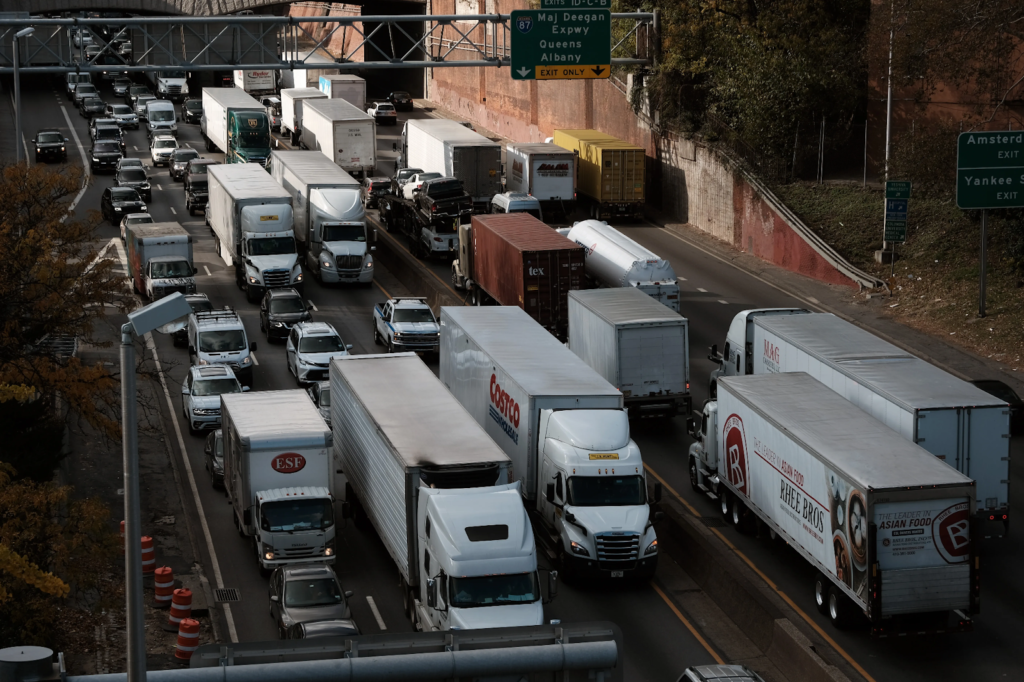
In the current state, traffic is no longer a fluctuation but a constant force. Urban sprawl, logistics hubs, and last-mile congestion imply that drivers will now be spending prolonged hours in stop-and-go conditions.
In these conditions:
- manual transmission makes the legs move repetitively more
- clutch fatigue builds up much faster
- response time might go down
The impact of transmission choice becomes especially visible in heavy traffic, where repeated stop-and-go movement accelerates fatigue.
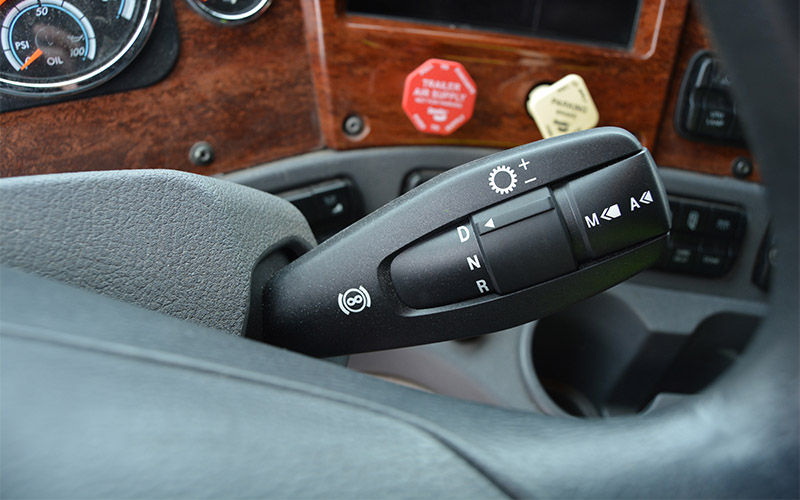
Automatic transmission greatly enhances the experience of drivers dealing with prolonged congestion and, also, lowering physical strain. For drivers who operate traffic-heavy zones daily, these theoretical advantages are more than just theoretical; they feel it at every shift.
Economics: The Purchase Price Is Not the Only Factor
Fuel Anderson In Actual Workplaces
Manual transmission was the one that automatically was ahead in fuel efficiency, but this technological development has come down significantly. Automatic cars have reached a level of advancement that only a few manual cars have.
Modern automatic systems:
- shift optimally
- trim unnecessary revving
- adapt to carload and terrain
In practical work modes, fuel consumption discrepancies are often minimal and more associated with traffic patterns and weather conditions than a vehicle’s transmission alone.
Repair and Maintenance Expenditures
Maintenance patterns differ significantly between transmission types and play a critical role in long-term vehicle reliability.
Manual transmissions are not complex in mechanics, but they absolutely depend upon components like clutches that wear down with usage. The prices for a standard clutch replacement are quoted at high figures which makes it rare for a company to make a claim driving more miles equals less money.
Automatic transmission, while equipping vehicles with complicated systems and electronics that can also raise repair cost, many times they are reduced closing interval of repair and driver-induced mechanical stress.
Over time, transmission-related decisions have a measurable impact on total operating cost across the vehicle’s service life.
While it is true that the potential of fleets to be predictable and their uptime are the driving factors for fleet managers, other aspects will also matter.
Driver Comfort, Ergonomics, and Health
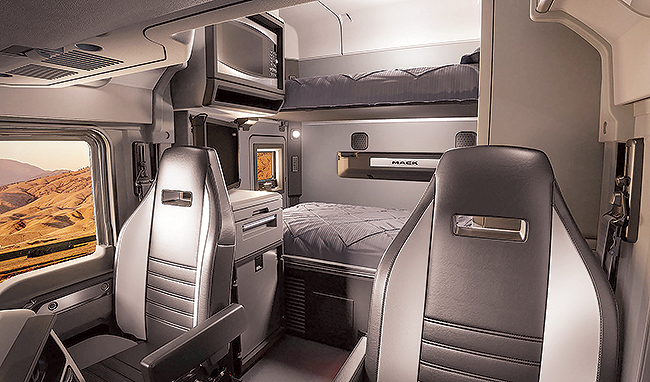
Comfort not only has a positive impact on safety, but is also a necessity in the trucking industry. Bad ergonomics lead to higher fatigue, slower reflexes, and naming long-term musculoskeletal problems.
In daily operations, improved comfort directly supports alertness and reduces cumulative strain on the driver.
Automatic transmission has a close match with current ergonomic design since it:
- gets rid of repetitive leg movement
- maintains the same sitting position
- cuts strain while working for long hours
Over years of professional driving, these little advantages of ergonomics add up to big changes in health status and life duration.
Human Factors and Driver Experience
The choice for the type of transmission affects the entire driver experience. Most of the latest entrants have not been exposed whether to a piano manual or an automatic vehicle.
Automatic transmission:
- makes driving easier
- reduces the early stage of stress
- supports the safer adaptation of professional driving
But automation gives newcomers the chance to discover manual systems and the way around while they are driving more quickly and widens access even if safety standards are not hurt.
Fatigue and Safety Comparison
| Factor | Automatic Transmission | Manual Transmission |
| Driver Fatigue | Lower over long shifts | Higher with repetition |
| Traffic Handling | Smooth and consistent | Physically demanding |
| Safety Consistency | High | Driver-dependent |
| Learning Curve | Short | Long |
| Reaction Stability | More predictable | More variable |
Where Manual Transmission Still Makes Sense
Despite the upheaval in the manual driving industry, the manual remains relatively important in a few areas:
- niche operations
- off-road or difficult terrain
- very experienced drivers that prefer it
In such cases, direct control of the vehicle may still be an advantage but for an increase in physical and cognitive demand.
FAQ
Does automatic transmission really minimize the driver’s tiredness?
Automatic transmission cuts out involuntary actions like the using the clutch and the frequently changing of gears, this helps not to hasten the drivers fatigue during prolonged shifts in traffic-heavy situations especially.
Is it true that manual transmission is safer in a few driving situations?
Manual transmission can give a driver more control in certain situations, like steep inclines and off-road driving, but the advantage in safety is mostly due to the skill and consistency of the driver, and not the system itself.
What is the relation between transmission type and safety in dense traffic?
In bumper-to-bumper traffic, drivers with automatic transmission are less likely to intervene in the operation of the vehicle, thus it provides a more predictable vehicle behavior and reduce the driver workload, which lifts might to the steady reaction times and less abrupt maneuvering.
Which transmission is more economical in the long run?
Long-term expenses are influenced by several elements, yet generally, the automatic transmission will be more predictable in terms of operating expenses due to less driver-acquired depreciation and the maintenance intervals that are not too variable.
Is the choice of transmission what might affect contempt driver?
Absolutely. The choice of a vehicle can be made according to the preferences of the driver as the automatic transmission reduces the need for repetitive moving the foot and help to achieve a more stable driving posture throughout the journey.
Is the manual transmission in the trucking business on the verge of extinction?
The use of manual transmission is not extinct in the trucking industry and it still has its specific utilization, meant for unique operations or drivers who have particular preferences and lots of experiences.
Should transmission type be seen as a strategic choice for fleets?
Definitely. The type of transmission that one goes for has a bearing on the management of fatigue, the uniformity of safety, maintenance planning, and driver retention, thus it is not a trivial specification but a strategic one.